What Is Mobility Awareness Month, And Why It Matters
National Mobility Awareness Month is observed every May to raise awareness about mobility disabilities and promote accessible transportation solutions for people with physical challenges. Sponsored by the National Mobility Equipment Dealers Association (NMEDA) since 2012, this campaign educates the public about the barriers faced by millions of Americans with mobility limitations and highlights the vehicles, services, and support systems that enable independence and dignity. At Tootl Transport, we’ve witnessed firsthand how increased awareness during this month helps connect individuals and families with the transportation resources they need.
What Is Mobility Awareness Month
National Mobility Awareness Month is an annual campaign held every May that raises awareness of the experiences and needs of people living with mobility disabilities. The observance is led by the National Mobility Equipment Dealers Association (NMEDA), a nonprofit trade organization representing mobility equipment manufacturers, dealers, driver rehabilitation specialists, and transportation providers across North America. Since its launch in 2012, Mobility Month has worked to educate communities about the physical, financial, and social challenges that limit access to transportation and daily activities for people who use wheelchairs, scooters, walkers, and other assistive devices. The campaign encourages advocacy, celebrates independence, and connects individuals with adaptive solutions that enable mobility.
Who Benefits From National Mobility Awareness Month
National Mobility Awareness Month serves one of the largest and most diverse communities in the country. Through our work at Tootl Transport, we serve individuals with congenital or acquired physical disabilities who rely on wheelchairs or mobility aids for daily movement. We also support seniors facing age-related mobility challenges by providing accessible transportation options that help them maintain independence as they age. Veterans with service-connected injuries represent another important group we serve, along with individuals recovering from surgery or managing temporary mobility limitations. Caregivers and families gain resources and reassurance that reliable, compassionate transportation is available year-round to support their loved ones. Understanding mobility challenges helps communities better serve these populations and recognize that mobility limitations can affect anyone at any stage of life.
Common Challenges Faced By People With Mobility Disabilities
People with mobility disabilities encounter obstacles that extend far beyond physical movement. After more than 20 years working with individuals and families facing these challenges, we’ve seen how barriers limit access to education, employment, healthcare, and social connections. Financial challenges often come first—adaptive equipment and vehicle modifications can cost thousands of dollars, and insurance coverage is frequently insufficient or nonexistent, leaving families to cover the difference. Transportation gaps create additional hardship, as many communities lack accessible public transit or private ride services equipped to safely accommodate wheelchairs and other mobility devices. Infrastructure issues compound the problem, including insufficient accessible parking, missing curb cuts, and buildings without ramps or elevators that prevent entry and participation. Social stigma and attitudinal barriers also play a role, as misconceptions about disability can discourage full inclusion in community life. National Mobility Awareness Month addresses these systemic issues by promoting education, advocacy, and practical solutions that remove barriers and restore independence.
How Mobility Month Drives Inclusive Transportation
National Mobility Awareness Month highlights the importance of transportation services and infrastructure that accommodate people who use wheelchairs, scooters, or other mobility aids. Inclusive transportation means more than accessible vehicles—it requires trained drivers who understand the needs of passengers with disabilities, door-through-door support that provides safe transitions from home to destination, and reliable service that operates around the clock. Through our fleet of accessible vehicles and trained partner drivers, we’ve transported thousands of passengers to medical appointments, therapy sessions, family gatherings, and personal outings.
Accessible Vehicles
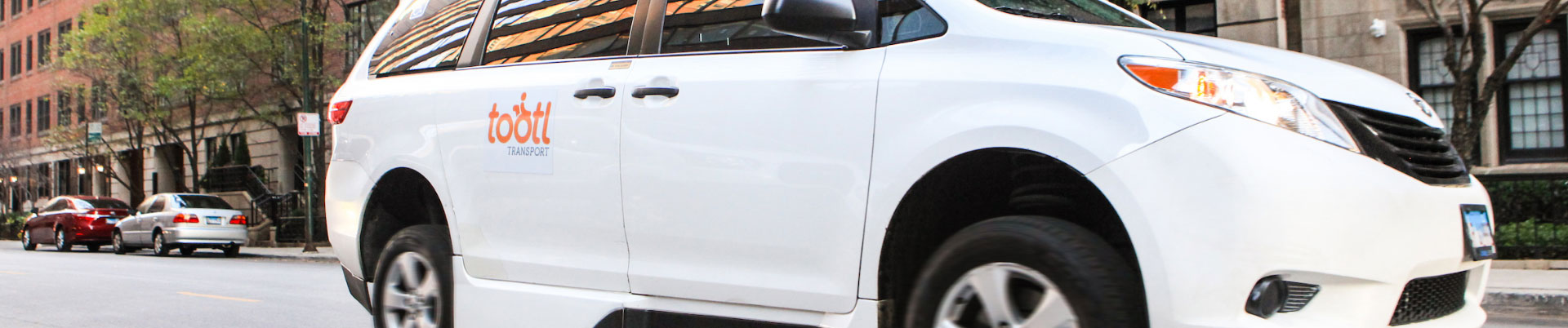
Wheelchair-accessible vans, buses, and other vehicles equipped with ramps or lifts, lowered floors, and securement systems form the foundation of inclusive transportation. These vehicles are ADA-compliant, meaning they meet the accessibility standards set by the Americans with Disabilities Act, and are professionally modified to provide safe, comfortable travel for passengers who use mobility devices. Our fleet includes accessible minivans for individual rides and larger transit vehicles for group transportation, each equipped with proper securement systems that keep wheelchairs and scooters stable during travel. Mobility Month raises awareness about the availability and importance of these specialized vehicles, which allow people to travel independently or with assistance from trained professionals.
Reliable Partner Drivers
Trained, compassionate drivers make the difference between a stressful trip and a dignified, safe experience. Our partner drivers complete specialized training in wheelchair securement, patient transfers, and respectful communication before transporting their first passenger. They know how to operate adaptive equipment, navigate tight spaces, and provide physical assistance without compromising a passenger’s independence. This training goes beyond technical skills—our drivers understand that they’re often the first person a passenger sees in the morning or the last person they interact with after a medical appointment, and that kindness and patience matter just as much as safe driving.
Door-Through-Door Support
Door-through-door service means drivers assist passengers from inside their home, through doorways, and all the way to their destination—not just dropping them at the curb. This level of support is especially important for individuals who use wheelchairs or have cognitive challenges, as it reduces fall risk and provides safe transitions between environments. Our drivers help navigate stairs, uneven surfaces, and building entrances, staying with passengers until they’re safely where they need to be. National Mobility Awareness Month highlights the value of this personalized care, which provides peace of mind to passengers and their families while enabling them to attend appointments and activities they might otherwise miss.
Ways To Participate In National Mobility Month
Participation in Mobility Awareness Month can take many forms, from small personal actions to larger community efforts. Whether you’re an individual with mobility challenges, a caregiver, a healthcare professional, or simply someone who values accessibility and inclusion, there are meaningful ways to contribute to this important campaign.
1. Host Awareness Events
Organizing or attending local events such as open houses, resource fairs, or informational sessions at community centers, senior living facilities, or healthcare organizations helps connect people with mobility equipment dealers, transportation providers, and advocacy groups. These gatherings provide opportunities for individuals and families to learn about adaptive vehicles, funding options, and services available in their area. Virtual events and webinars can reach an even wider audience, making participation possible for people who face transportation barriers themselves. We’ve participated in numerous community events over the years and have seen how these connections lead to real improvements in people’s lives.
2. Share Stories On Social Media
Personal experiences have the power to educate and inspire others while normalizing the use of mobility aids and accessible transportation. Sharing your story or nominating a local hero who uses mobility solutions to live a full, active life helps celebrate independence and raises awareness about the importance of accessible services. We’ve heard countless stories from passengers who’ve attended a grandchild’s graduation, made it to a crucial medical appointment, or simply enjoyed an afternoon at the park—activities that accessible transportation made possible.
3. Volunteer With Advocacy Groups
Connecting with local or national disability advocacy organizations to volunteer time, donate resources, or participate in policy advocacy makes a tangible difference in addressing systemic barriers. Many groups host campaigns during May and welcome community support year-round. We’ve partnered with organizations like Make-A-Wish, the ALS Association, and the Muscular Dystrophy Association, and have seen how volunteer support helps these groups expand their reach and serve more people.
Awareness Into Action
National Mobility Awareness Month is observed in May, but the need for accessible, reliable transportation is year-round. Awareness must translate into action—whether that’s advocating for better infrastructure, supporting inclusive businesses, or choosing transportation providers who prioritize dignity and safety. Tootl Transport offers 24/7 accessible transportation with ADA-compliant vehicles and trained partner drivers, providing door-through-door service for medical appointments, personal outings, and daily needs. Since our founding, we’ve built relationships with healthcare organizations, senior living facilities, nonprofits, and families across our service area, and we understand that every ride represents someone’s ability to live independently and participate in their community. Contact us to book a ride or request more information about our accessible transportation services.
Frequently Asked Questions About Mobility Awareness Month
How Do I Schedule Specialized Rides For A Family Member With Limited Mobility?
Contact a non-emergency medical transportation (NEMT) provider like Tootl Transport that specializes in serving people with mobility challenges. We offer door-through-door service with trained partner drivers who understand how to safely assist passengers who use wheelchairs, scooters, or other mobility devices. You can reach us by phone or through our online contact form, and we’ll discuss your family member’s specific needs, preferred schedule, and any medical equipment or assistance required. We operate 24/7 and can arrange one-time rides or recurring transportation for regular appointments.
Will My Insurance Cover Accessible Transportation For Medical Appointments?
Many Medicaid programs, Medicare Advantage plans, and private insurers cover NEMT services for medically necessary trips, but coverage varies significantly by state, plan type, and specific circumstances. Contact your insurance provider to verify whether transportation benefits are included in your plan and what documentation is required for reimbursement. You can also contact us directly—we work with numerous insurance programs and can help you understand your coverage options and assist with any required paperwork to request reimbursement for services.
Are Community Events For Mobility Awareness Month Held Online Or In Person?
Events vary by location and organizer. Some communities host in-person resource fairs, open houses, or demonstrations at mobility equipment dealers, senior centers, or healthcare facilities where attendees can see ADA-compliant vehicles and meet local service providers. Other organizations offer virtual webinars, social media campaigns, or online resource guides that reach broader audiences. Check NMEDA’s website or contact local disability advocacy groups, Area Agencies on Aging, or Centers for Independent Living to find events in your area during May. Many organizations also maintain year-round resources and programming beyond the official awareness month.
Back